
Why do children suffer from ear pain in winter? When can it be fatal? What is important for parents to know?
Ear problems are common in children during the winter season. Therefore, they should not be ignored. They can lead to many serious illnesses. Let's learn from Dr. Himanshu Bhadani why this problem occurs and when it can become fatal.
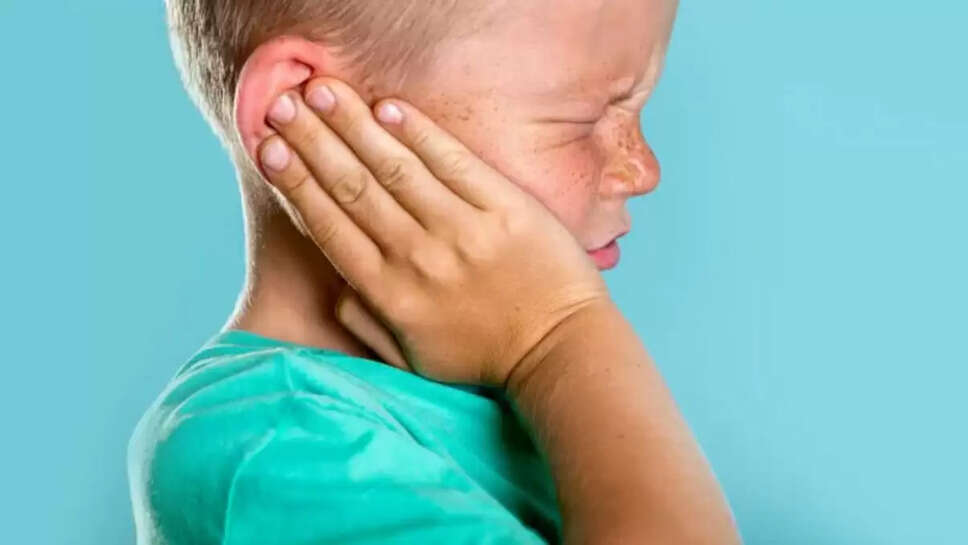
Ear problems are very common in children during winter. Cold air, low temperatures, and frequent viral infections can quickly affect children's ears.
Young children's ear canals are narrow and their immune systems are not fully developed, so a cold or a cold can increase ear pain, itching, blockage, or drainage.
Parents often ignore these issues, thinking they're normal, but these persistent problems can lead to ear infections, middle ear infections, and hearing loss.
Therefore, caring for children's ears during winter becomes extremely important. Failure to address these issues in time can lead to serious problems. Let's explore the ear problems children face during winter and when these can become emergencies.
What ear problems can cold cause in children?
Dr. Himanshu Bhadani, Pediatrician at AIIMS Delhi, explains that children can experience a variety of ear problems during winter. The most common problem is ear pain, which worsens with cold air or a cold.
Another problem is ear itching, which is caused by dry air and low humidity. Ear congestion or a feeling of pressure is also common during the winter season, especially when a child has a frequent cold or cough.
In some cases, watery or yellowish discharge from the ear indicates an infection, which should not be ignored. Prolonged nasal congestion or sore throat also increases the risk of middle ear infection. These problems may seem minor at first, but if left unattended, they can lead to complications such as pain, fever, and hearing loss.
When are ear problems in children a sign of emergency?
Dr. Himanshu Bhadani explained that during winter, certain ear problems in children require immediate attention, as they could signal an emergency.
If a child experiences severe and persistent pain, persists despite medication, or if fluid, pus, or blood begins to drain from the ear, this could indicate a serious infection. Similarly, a high fever, accompanied by frequent ear-pulling, irritability, or excessive crying, also signal danger.
Hearing loss, blurred hearing, or swelling and redness around the ear can make the situation more serious. If your child experiences dizziness or vomiting along with ear pain, you should immediately consult a doctor, as this could be an emergency.
How to take care of your ears in winter?
- Parents should protect the child from cold air and keep the ears covered.
- In case of nasal congestion, immediately inhale steam or give drops as suggested by the doctor.
- Never put oil, ghee or any household substance in the ear.
- Give the child hot soup, water and light food so that the immunity remains strong.
- Do not forcefully blow your nose, as this can cause pressure to reach the ears.
- Do not let cold air touch wet ears.
- Always give any medicine or ear drops only after consulting a doctor.